
We sit down with Custom Horror to talk about what changed after the NFT boom, the decision to take a part-time job, and what it means to keep making art now.
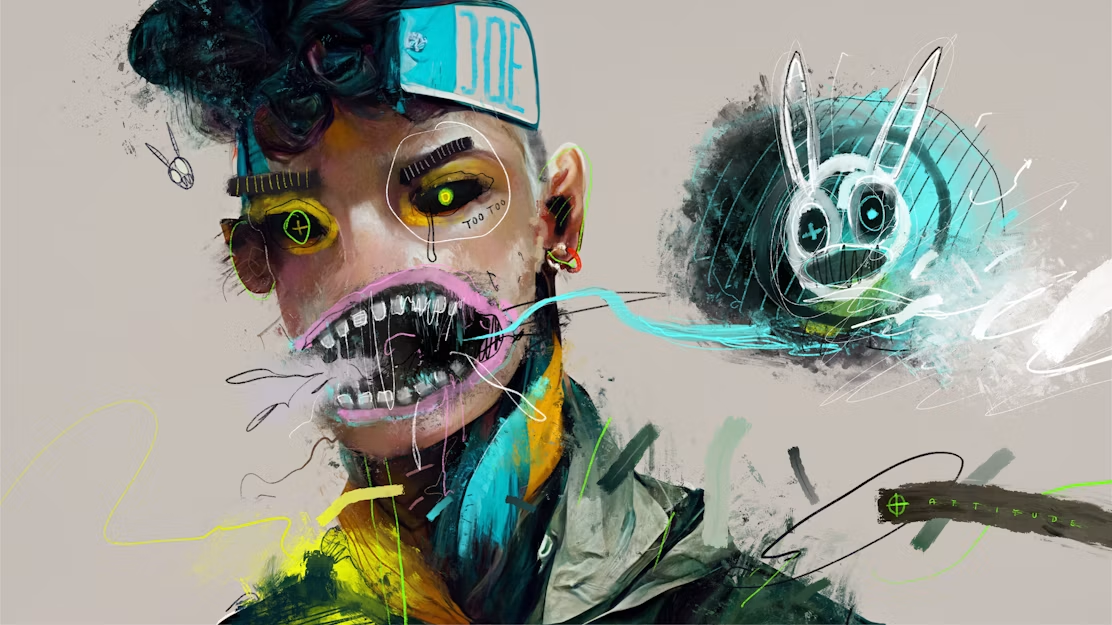
ife after the boom has been difficult for a lot of artists. Some have left crypto art altogether, some have stepped back, while others are still trying to find a way to make it work. Custom Horror, an artist from Copenhagen who has been a well-known name in the space for years, has sat down with us to talk about what it's like to continue making and selling art today, and what he's had to change to keep doing what he loves.
David, better known as Custom Horror, is working part-time again, but he hasn't returned to design. Before crypto art, David spent years working in commission-based design, but it was never really where he wanted to end up. He had wanted to be an artist for years, and when he eventually needed to find work again, he could easily have gone back to design. Instead, he chose something completely unrelated. His work is filled with grotesque puppet-like figures, distorted characters and a mix of humour and darkness that has become a recognisable part of his work.
The thinking behind that decision goes back to 2008, when his design business folded during the financial crisis. He lost clients, stopped making money and couldn't find new work. But the lesson he took from that period wasn't really about the financial side of running a business. It was about what happens when you keep saying yes to work that starts defining you.
"You become the product you say yes to. If you say yes to web design, you get asked for web design. Soon that's all people come to you for."
He's seen that happen in his own career. If you spend years taking design jobs, eventually that's what people know you for. The same applies to commissions. He gives the example of decorating a café with Italian-themed pizza art simply because that's what the client wants. You might get paid well for it, but you've still spent your time making something that has little to do with the work you actually want to create.
That experience made him protective of his creative control. He stopped taking commissions unless he had full freedom over what he was creating and didn't want to spend his time solving creative problems for other people.
"I just want to play, express myself, and create what I love."
It's also why, when the NFT income dried up and he needed to find work again, going back to design wasn't really an option. He chose care work instead, keeping the job he does for money separate from the work he wants to make for himself.
"My creative output has to stay holy, led only by my own passion."
Long before NFTs, David had already started building his life around Custom Horror. He began drawing a monster every day and kept the practice going for almost two years without a break. He built a website where people could subscribe and receive the PNG of that day's monster, giving the project a small audience while he continued working towards becoming an artist.
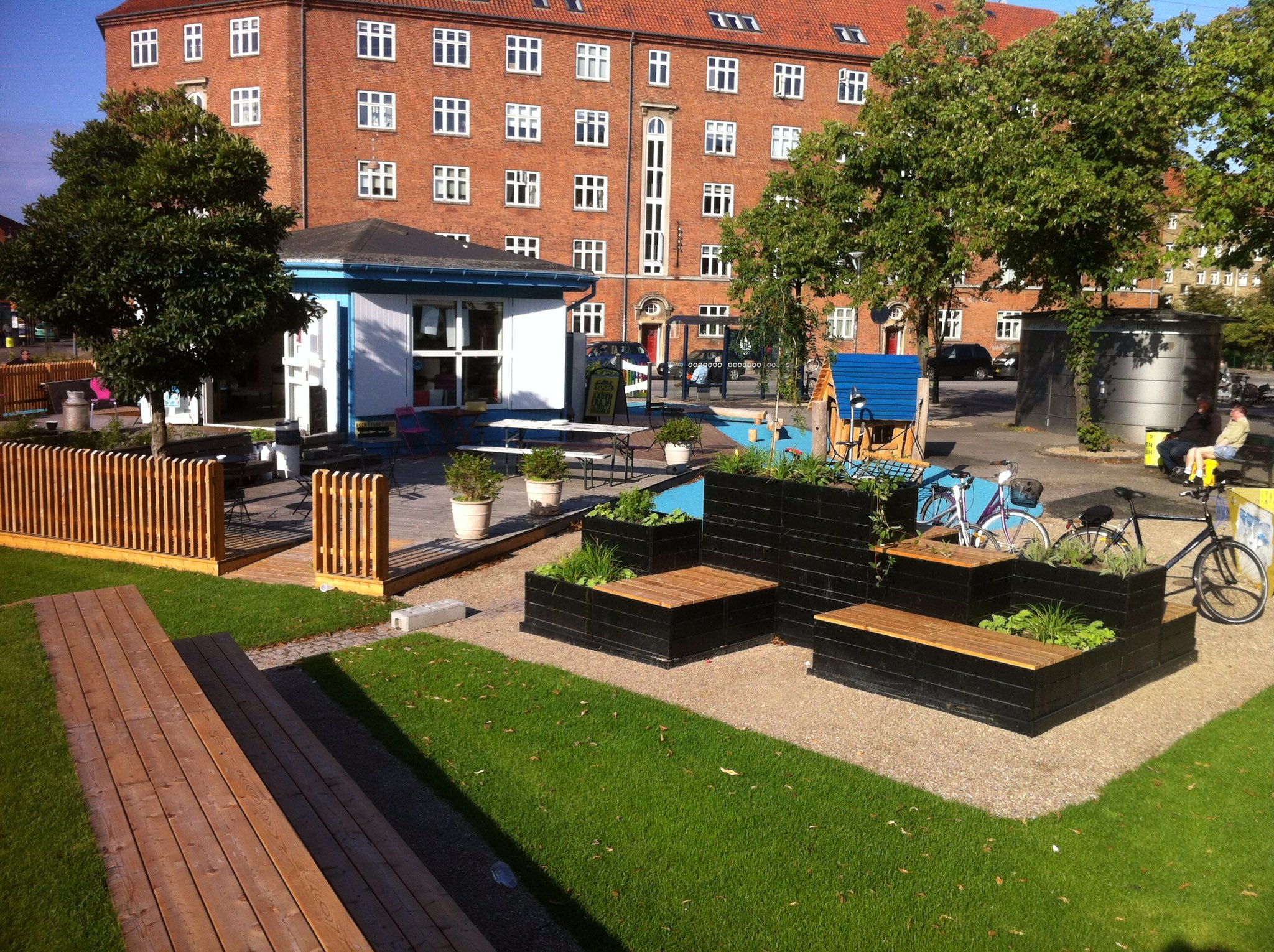
The Monster Times name came later, when he was given the opportunity to relaunch a restaurant owner's brand. He connected the concept to the monster work and eventually moved it into his own building in Sydhavnen, which at the time was the poorest district in Denmark. He ran the coffee shop for five years.
Monster Times became much more than a place to get coffee. It was also a gallery and an event space for concerts and drawing sessions, as well as a non-alcoholic spot in a neighbourhood he describes as being full of drunks. It was a side job while he continued trying to establish himself as an artist, but it also gave him somewhere to show and promote the work.
Major Danish newspapers nominated the coffee shop as one of the best in Copenhagen more than once. During those years he also continued exhibiting his work around Copenhagen, including a museum exhibition in 2021.
After thirteen years of side jobs, galleries and running the coffee shop, the opportunity to work as an artist full-time finally arrived.
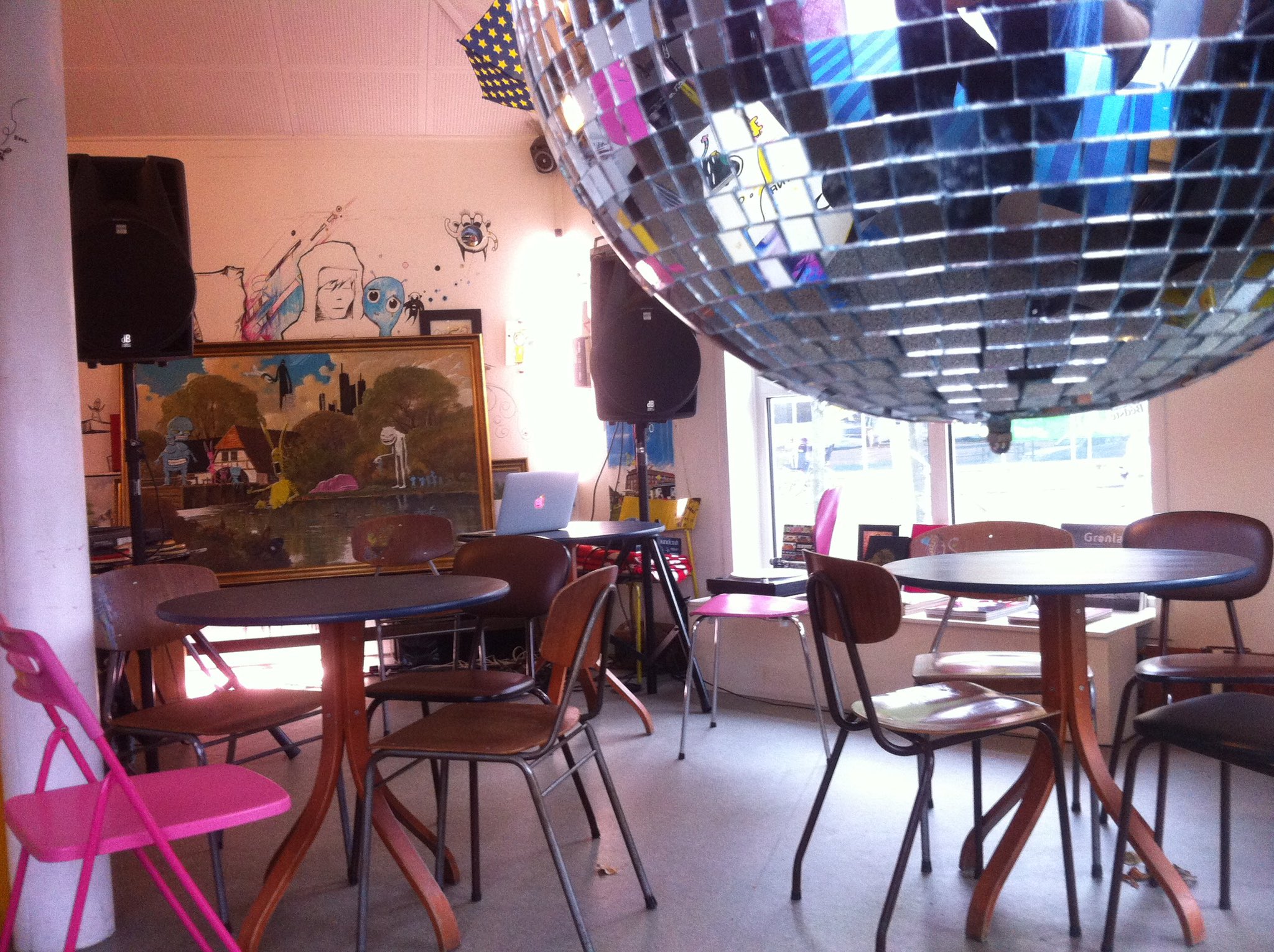
David entered the NFT space in March 2021. Four months later he handed in his notice at the coffee shop and became a full-time artist for the first time in his life. He described the decision at the time as a crazy leap and a gamble, but it made sense given what was happening around him.
The money that followed changed his circumstances. He made over $230,000 in sales and had more than a thousand wallets collecting his work, with collectors including XCOPY and many more.
That period has already been written about several times, mostly between 2021 and 2023. There was plenty to cover: the coffee shop, the daily monsters, Custom Horror, the jump into NFTs and the sudden ability to make art full-time.
What's less talked about is around what happened after.
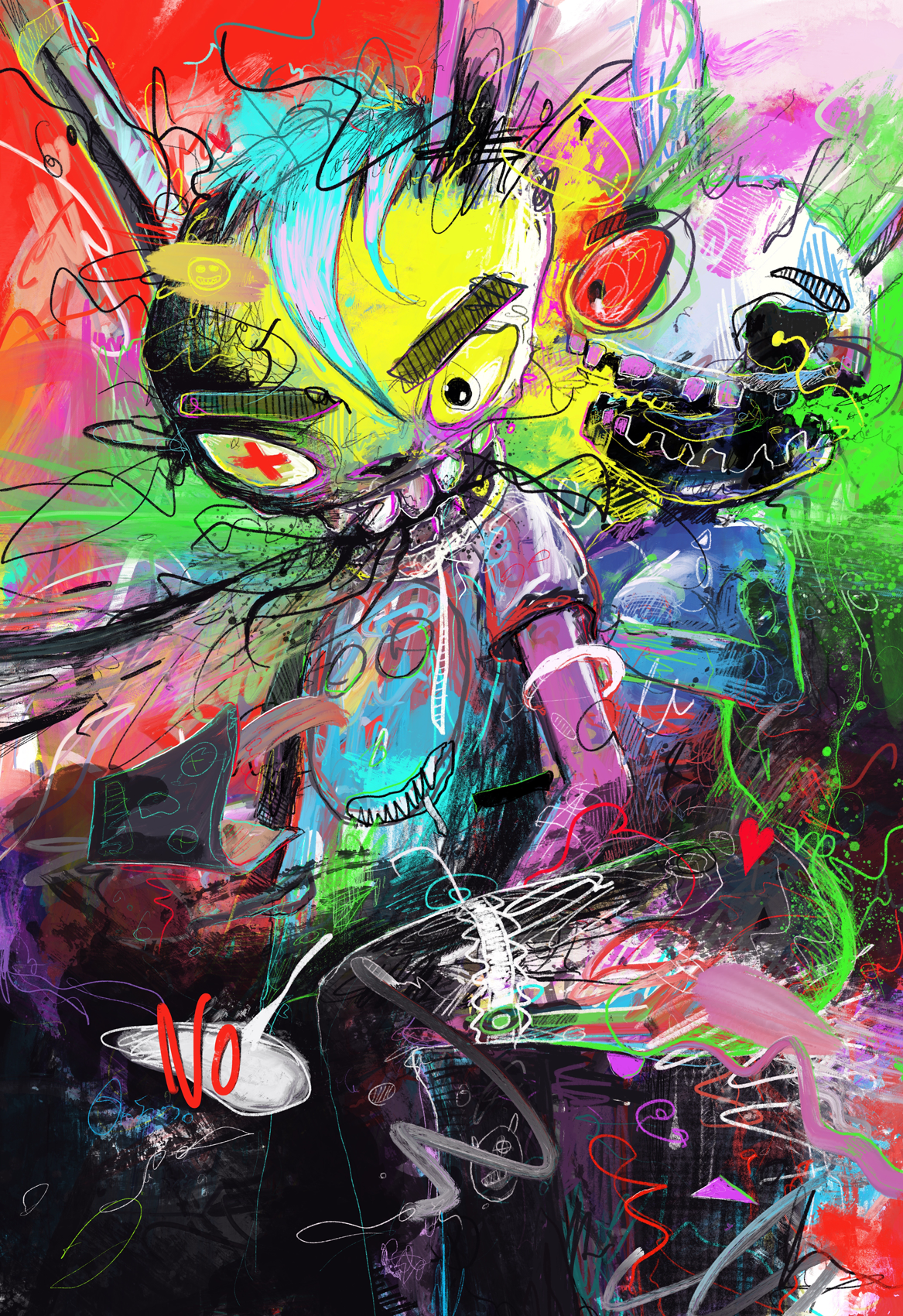
The income slowed down, his output dropped and the full-time artist life he'd spent thirteen years working towards became something he had to reconsider.
That's what we wanted to ask him about: what happened after the boom, and what life looks like now.
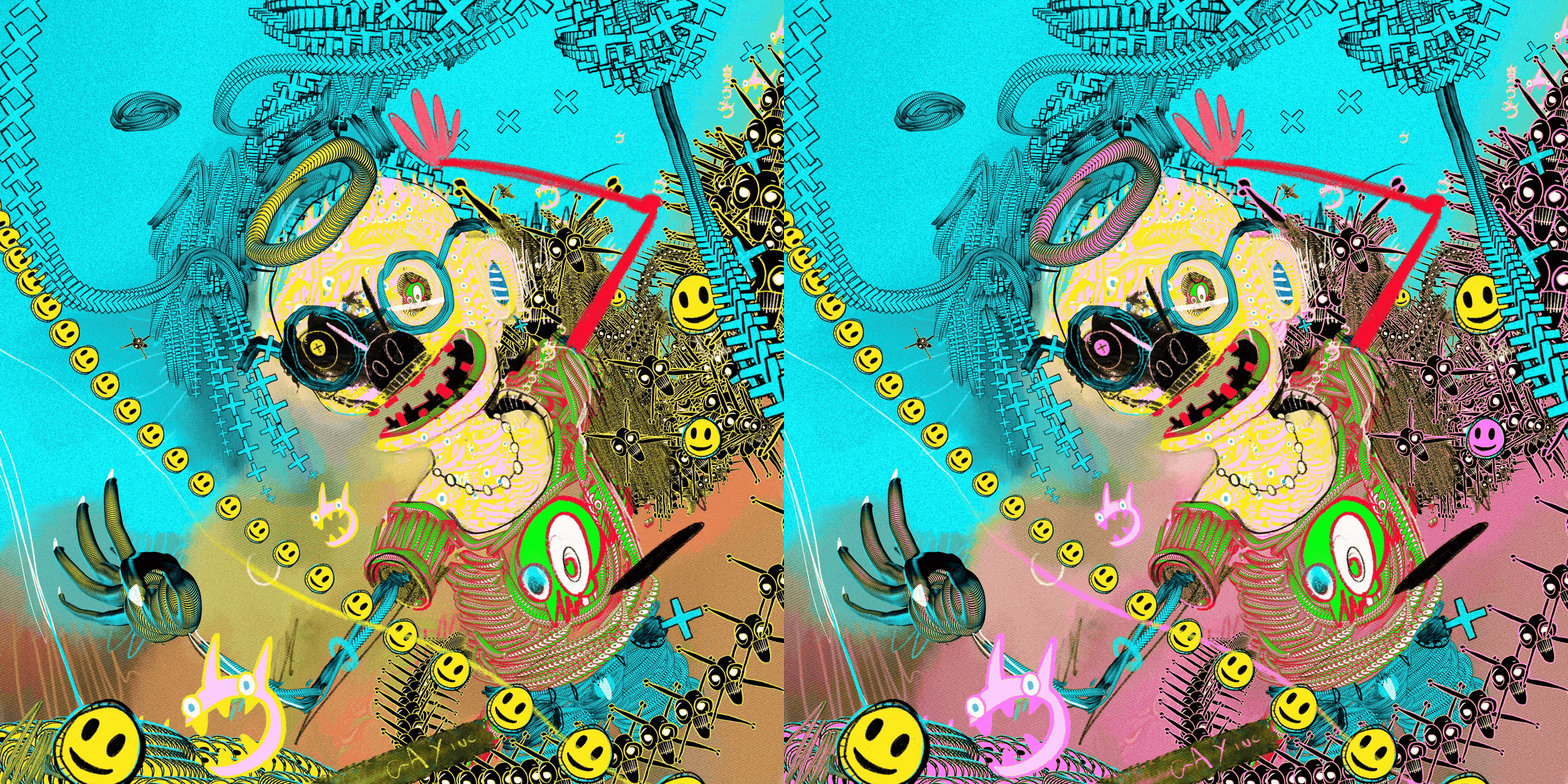
Back when NFTs were paying the bills, I could mostly separate the two. The art itself stayed pure. Whenever I picked up the pen or set the rules for a piece, the sales process never corrupted what I was making. The business side did get affected though. I’d choose formats or platforms depending on where the hype was.
Looking back, if the income had stayed, I think I would have kept going. What actually broke me was the lack of income. Facing the fact that I had to find a job forced a pivot, and acknowledging that pivot drained a lot of mental stamina. Making the pivot is the win. Accepting this turn of events. Now it’s about rediscovering that I need to make art even when I do something else part-time.
Luckily I’ve managed to sustain my presence on X and have actually enjoyed staying visible.
Between 2021 and now, my output dropped dramatically. My typical way of being an artist is creating every day. After I got the side job, the financial pressure lifted. I sort of derailed and just became a gamer for a while, and I actually enjoyed that. It took a while to stop hoping the NFT market would come back. Giving up on the full-time artist dream was harder than I expected.
The depression only started creeping back in more recently. I’ve been through long creative blocks before, and 15-minute art is what broke me out of one of them. The idea is simple: make the daily practice so easy that there’s no excuse not to do it. I’m hoping it gets me back on track again.
Yes, I still believe that was right. Back in 2021 there was a boom and suddenly a lot of us, including me, made real money. We all hoped it would never end. But I quickly realised this wouldn’t be the promised land where every artist makes a living. Only a small minority of artists ever survive from their work, maybe 10 percent or so. NFTs won’t change that. It’s another opportunity, but the art world needs only so much art and the competition is fierce. There will always be a handful of superstars, a few who make a quiet living, and the rest will struggle, unless AI really delivers the utopia, and our creativity is truly the only thing we want from each other, because everything else is covered.
When I created it in 2008, Custom Horror was a declaration of total creative freedom. You can customise horror into anything, even something horrific painted into something cute or silly. Over time it also came to reflect my rebellious streak against traditions and etiquette. Why do we have to follow customs if it doesn’t really hurt anyone not to?
I think it’s a typical artist trait to take slight pride in otherness. For a long time I was proud of not having a tattoo, just because everyone got a tattoo. I recently got my first (and only) two tattoos on my head. It was part of wanting to brand myself as an artist, on a location that was visible to everyone. All things are in constant change. My opinions and tastes too.
I think it’s both. As a kid I was drawn to villains just as much as heroes. Then life hits you with real darkness. Heartbreak, disillusionment. That surfaces in the work. But mostly it’s just what’s happening in my head in the moment. I sit down and create daily, often without inspiration, and let whatever comes out. Raw feelings, jokes, pure nonsense that only gets meaning when I title the piece. It’s a practice of just doing, not chasing meaning.
Right now what matters most is getting back into daily creation. I’m exploring stamp brushes in new software, building up a repertoire of stamps and seeing what new combinations emerge.
I’m also building live auction tools, real-time bid interfaces for my X streams and playlists. I’m just trying to make the stream worth people’s time and engaging to track auctions and incoming bids. I hope it can become a channel through which I can capture collectors’ attention and deliver some insight into what I have to offer in an entertaining way. I still post and engage with the community every day, and I still believe in NFTs.
I’m painfully aware that I either just start, or I go through some depression heavy enough to force me back on track. I know the answer is just do it, but somehow I still end up prioritising my time differently. Getting the rhythm back is the real work right now.
I want them to feel something real. Whether it’s joy, a spark of inspiration, or even a little jealousy. Just that honest reaction that makes them stop and think “I want that” is enough. I make the work for myself first. If it brings someone else value in their own way, that’s beautiful.
You can find Custom Horror's work at customhorror.net and follow him at @CustomHorror.

Go beyond the work and get to know the people making it.